Saudi Arabia.
Beyond the expected.
Heritage cities, desert landscapes, coastal stays and highland escapes. Discover 20 destinations—and let us help connect the journey.
Across the causeway.
With Dilmun.
Business, family visits, airport connections and days away. Share your pickup, destination and travel date. We’ll confirm the vehicle, timing, price and requirements for your journey.
Explore Bahrain–Saudi transfers →Twenty destinations.
Choose your direction.
Explore the places in our Saudi guide. Open a destination for photographs, experiences and practical planning notes.
20 destinations to explore
Riyadh
Cities & short breaks
The capital and central Arabia
Riyadh brings together Saudi Arabia’s national institutions, contemporary architecture, museums, markets, and entertainment districts. The city is a useful introduction to the modern kingdom, while its older neighbourhoods and nearby Diriyah provide historical context. Its visitor programme can combine cultural learning with dining, shopping, and seasonal performances.
Culture and city history. Explore the museums, galleries, and traditional markets that explain the capital’s development. Build time for interpretation rather than treating the city only as a skyline photograph.
Modern Riyadh. Contemporary architecture, shopping districts, and restaurants give visitors a sense of everyday urban life. Boulevard Riyadh City is among the entertainment destinations highlighted by Visit Saudi.
Events and experiences. Riyadh’s cultural and sporting calendar changes throughout the year. Choose confirmed events for the actual travel dates; older Riyadh Season listings should not be treated as a current programme.
Planning note. Allow 2 to 3 days as an initial planning estimate. Combine a city day with a separate Diriyah visit; book timed attractions and restaurants once the travel dates are known.
Plan a visit to Riyadh →Diriyah
Cities & short breaks
Najdi architecture and Saudi state history
On Riyadh’s outskirts, Diriyah connects the history of the First Saudi State with the architecture and landscape of Najd. Its historic districts and newer visitor areas allow a tour to combine heritage interpretation, walking, art, and dining. The UNESCO designation applies specifically to the At-Turaif District.
At Turaif. The surviving mud-brick palaces and urban fabric demonstrate building traditions adapted to the central Arabian environment. A guided visit helps explain the relationship between architecture, leadership, and settlement.
Bujairi and Wadi Hanifah. Bujairi Terrace provides dining overlooking the valley. Wadi Hanifah adds a landscape setting that helps visitors understand the oasis environment around the historic settlement.
Arts and neighbourhoods. JAX District offers a contemporary cultural dimension, while Samhaniah and other visitor areas extend the experience beyond the main heritage site. Check exhibitions and access before including them.
Planning note. Allow a half day to a full day. A late afternoon heritage visit followed by dinner is a suggested sequence, subject to admission and restaurant availability.
Plan a visit to Diriyah →AlUla
Heritage & landscapes
Ancient settlements and sandstone landscapes
AlUla combines an oasis landscape with archaeological sites and distinctive sandstone formations. Its history includes connections with the Nabataean world, while the visitor experience now includes heritage walks, outdoor activities, and cultural venues. Hegra is Saudi Arabia’s first inscribed UNESCO World Heritage property.
Hegra. The archaeological site is known for monumental rock-cut tombs. Use a booked heritage experience to understand its setting and significance, and follow the approved visitor routes.
Old Town and Maraya. AlUla Old Town preserves mud-brick settlement history. Maraya offers a different architectural experience through its mirrored exterior and cultural programme; event attendance and access are separate arrangements.
Elephant Rock and the desert. Elephant Rock provides a landscape landmark, while hiking, stargazing, and balloon experiences offer other ways to explore the region. Availability depends on the operator, season, and conditions.
Planning note. Allow 2 to 3 days or longer for outdoor activities. Reserve major heritage visits ahead of time and avoid packing every experience into a single day.
Plan a visit to AlUla →Jeddah
Cities & short breaks
Historic port city on the Red Sea
Jeddah’s identity reflects centuries of exchange through trade and pilgrimage. Historic coral buildings and traditional markets sit within a city that also offers waterfront promenades, contemporary art, dining, and marine activities. Its different neighbourhoods deserve time beyond a brief coastal stop.
Historic Al Balad. The UNESCO listed historic city contains coral-built houses, narrow lanes, and markets. A heritage walk is a useful way to explain Jeddah’s role as a gateway for travellers and goods.
Corniche and the waterfront. The Corniche offers coastal walking, public art, cafés, and leisure spaces. King Fahd’s Fountain is a familiar landmark, with viewing dependent on the operating schedule and conditions.
Art and coastal leisure. Jeddah Art Promenade and the Yacht Club area represent newer visitor settings. Marine excursions and beach experiences require their own arrangements rather than being assumed within a city tour.
Planning note. Allow 2 to 3 days. Combine a heritage walk with a separate waterfront period, keeping time for heat, traffic, and individual interests.
Plan a visit to Jeddah →The Red Sea
Coastal journeys
Island resorts and marine experiences
The Red Sea destination on Saudi Arabia’s western coast is a developing resort region. Its setting includes islands, beaches, desert, and mountain landscapes. It is best planned around a confirmed accommodation and transfer arrangement rather than approached as a single open-access attraction.
Island stays. Shura, Shebara, and the Ummahat Islands are among the locations highlighted by Visit Saudi. Each island or resort has different arrival arrangements and facilities.
Coast and inland landscapes. The visitor offer includes beachfront settings as well as inland properties such as Desert Rock. Choose the location according to whether guests want marine recreation, scenery, or a secluded stay.
Water activities. Diving, sailing, yachting, and other marine experiences are part of the destination’s offer. Book through an appropriate operator and confirm eligibility, equipment, weather conditions, and inclusions.
Planning note. Allow 3 to 5 nights as a suggested leisure stay. Confirm airport and onward transfers directly with the booked property; development announcements do not establish that every planned attraction is open.
Plan a visit to The Red Sea →Eastern Province
Cities & short breaks
Gulf waterfronts and contemporary culture
Dammam, Al Khobar, and Dhahran offer complementary ways to experience Saudi Arabia’s Gulf coast. Waterfront parks and dining can be combined with cultural venues and historic island communities. For Dilmun Journeys, the region also provides a natural starting point for considering cross-border itineraries with Bahrain.
Al Khobar and Dammam. Corniche walks, seaside cafés, parks, and coastal restaurants support a relaxed city programme. Dammam can serve as a base for visits across the neighbouring cities.
Dhahran and Ithra. Ithra brings together arts, knowledge, and creative programming. Check exhibitions, performance dates, and booking requirements instead of assuming all spaces and activities share the same access.
Darin and Tarout. Historic neighbourhoods, Tarout Castle, and Darin’s maritime associations provide another layer of regional history. Confirm access to individual heritage buildings before promising interior visits.
Planning note. Allow 2 to 3 days, with Al Ahsa as a separate extension. A Bahrain combination needs its own transport and entry arrangements for each traveller.
Plan a visit to Eastern Province →Al Ahsa
Cities & short breaks
Oasis agriculture and historic markets
Al Ahsa’s UNESCO listed oasis landscape links date cultivation, water management, and settlement. Palm groves and historic commercial areas make it a useful destination for explaining the relationship between agriculture and community life in eastern Arabia. Hofuf provides a practical centre for exploring the area.
The oasis. Explore the palm landscape and its connection with irrigation and long-established cultivation. Dates, including the Khalas variety associated with the area, provide a direct link between landscape and local food.
Al Qarah Mountain. The mountain’s limestone passages and caves offer a geological dimension to an oasis itinerary. Check the managed visitor route and allow time for walking and interpretation.
Markets and Yellow Lake. Souq Al Qaisariya offers a setting for crafts, perfumes, and local commerce. Yellow Lake, also called Asfar Lake, adds a landscape and birdwatching interest when conditions and access are suitable.
Planning note. Allow 1 to 2 days. Combine the oasis, a managed mountain visit, and the souq; treat a lake excursion as a separately planned outdoor segment.
Plan a visit to Al Ahsa →Aseer
Highland escapes
Mountain landscapes and regional heritage
Aseer offers a mountain setting around Abha and Khamis Mushait, with forests, valleys, traditional villages, and local markets. The region broadens a Saudi itinerary beyond the desert and major cities. Its cultural landscape is as important as its viewpoints.
Abha and surrounding highlands. Use Abha as a starting point for discovering the region’s cultural landmarks and mountain scenery. Allow travel time between the city and outlying attractions.
Soudah and outdoor activities. The Soudah highlands and Aseer National Park provide settings for walking and landscape photography. Cable car experiences should be included only after confirming operation and weather suitability.
Rijal Almaa and village heritage. Heritage villages help visitors understand regional building traditions and community life. Local dishes, markets, and crafts can give the journey context beyond scenic stops.
Planning note. Allow 2 to 3 days or longer for walks. Use a local route plan, carry layers for changing mountain conditions, and check roads and activity availability before departure.
Plan a visit to Aseer →Taif
Highland escapes
Rose cultivation and mountain viewpoints
Taif is associated with mountain scenery, rose farms, and a milder highland setting. It combines agricultural experiences with traditional markets and cultural sites. A visit can focus on the landscape or on the processes and traditions behind its rose products.
Al Hada. Al Hada Mountain and its cable car experience are highlighted by Visit Saudi. Plan viewpoints according to visibility and confirm the operating status of any ride before setting the itinerary.
Rose farms. Farm visits introduce rose cultivation and, where offered, the distillation process. Flowering and production are seasonal; a farm experience should be confirmed rather than promised year-round.
Heritage and local life. Al Shareef Museum, traditional markets, and parks provide options alongside the farms. A mixed itinerary can connect household objects and local commerce with the surrounding agricultural landscape.
Planning note. Allow 1 to 2 days. Reserve accommodation during popular holiday periods and plan mountain travel separately from any pilgrimage itinerary.
Plan a visit to Taif →Al Baha
Highland escapes
Forests and mountain villages
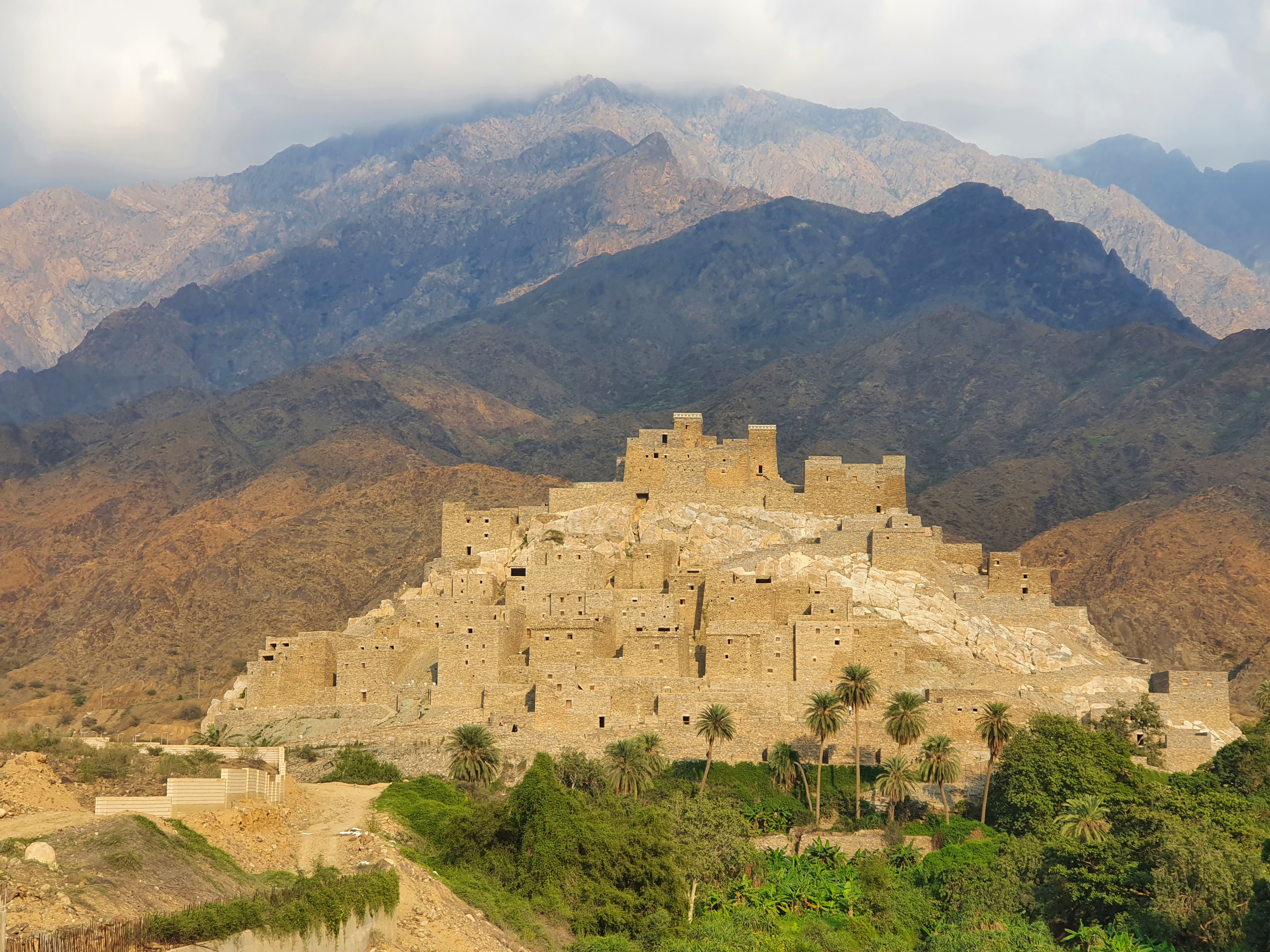
Al Baha combines wooded highlands, mountain scenery, and historic villages. Its appeal lies in the relationship between nature and settlement rather than a single landmark. A relaxed programme can pair accessible parks with a selected heritage visit.
Dhee Ayn. The historic village provides a distinctive settlement setting among the mountains. Walking routes and viewpoints should be chosen according to visitor mobility and local access conditions.
Raghadan Forest and parks. Raghadan Forest and Prince Hussam Park offer settings for walking and family recreation. Choose the length and difficulty of walks for the actual group.
Shada Mountains and valleys. The Shada Mountains, caves, and valley scenery add outdoor options. More demanding routes need appropriate footwear, local advice, and checks on rain and trail conditions.
Planning note. Allow 2 days as an initial estimate. Plan mountain activities around weather and visibility, with easier alternatives available for guests who prefer short walks.
Plan a visit to Al Baha →Tabuk
Heritage & landscapes
Northwestern heritage and varied terrain
Tabuk is a gateway to northwestern Saudi Arabia, with historic sites, mountain landscapes, desert terrain, and coastal towns in the wider region. Distances between these settings mean it should be planned as a regional journey rather than a quick city checklist.
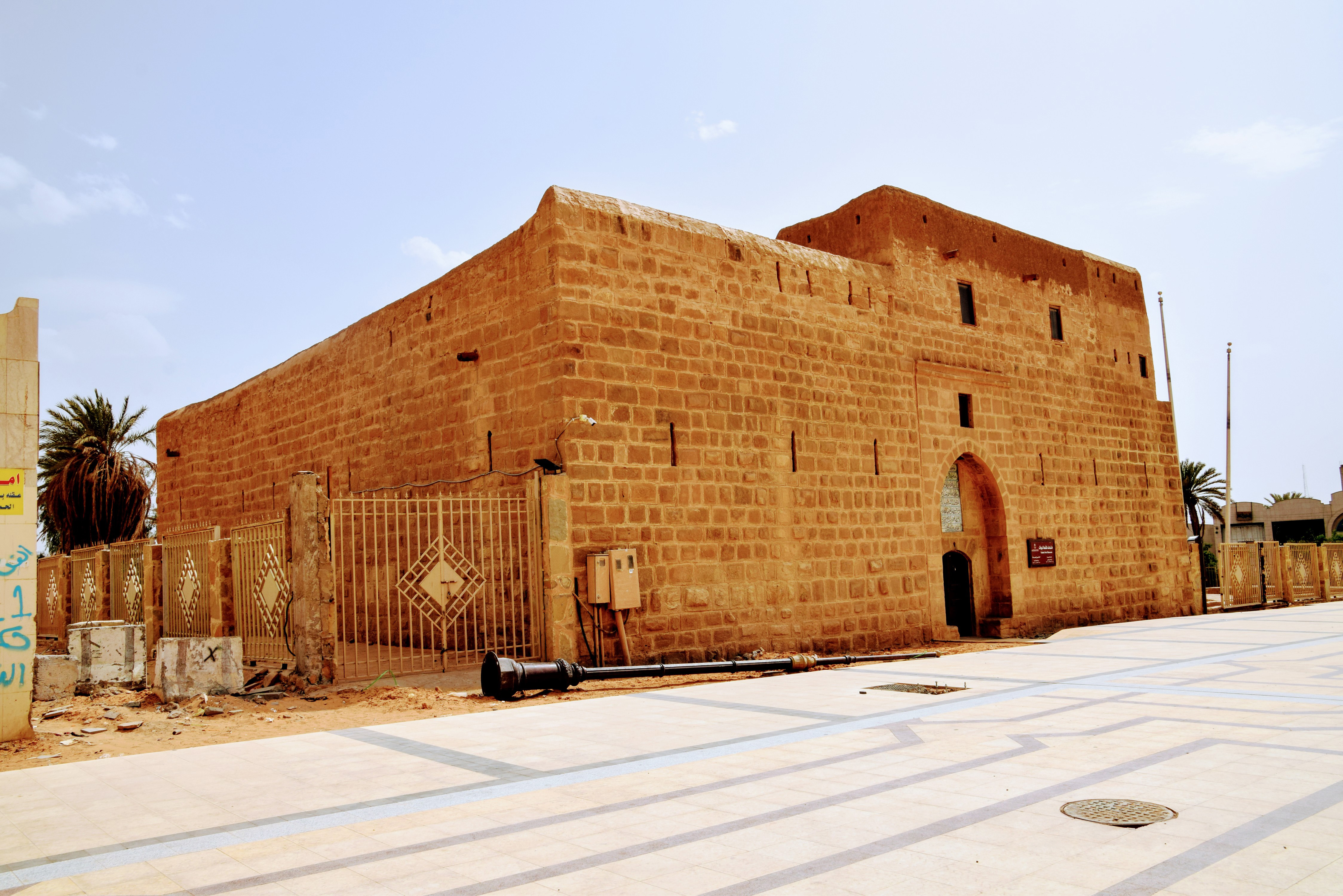
City heritage. Tabuk Castle offers a historical focus in the city. Interpret its history using reliable site information; unsupported claims that the present fortress is thousands of years old should be avoided.
Archaeology and coastal places. The wider region includes carved tombs at Maghaer Shuaib and Red Sea coastal settlements. Choose a realistic route with confirmed access to the specific sites.
Mountain and desert scenery. Outdoor journeys provide varied landscapes and photography opportunities. Major developments such as NEOM are not a general promise of tourist access to every announced project.
Planning note. Allow 2 to 4 days depending on the route. Confirm road distances, accommodation, site access, and an appropriate local guide for remote excursions.
Plan a visit to Tabuk →Hail
Heritage & landscapes
Rock art and northern Arabian heritage
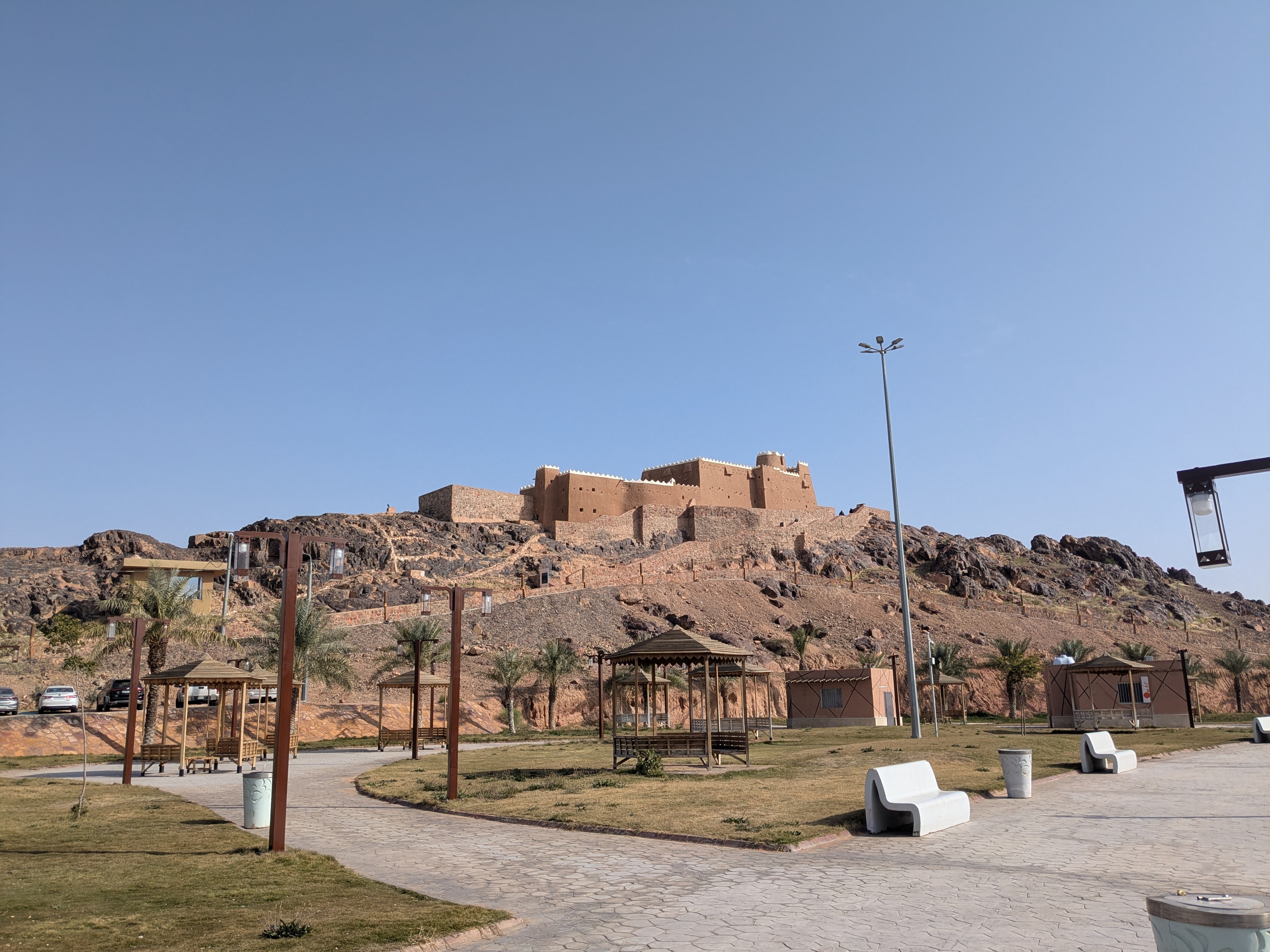
Hail sits among mountains and open plains and was historically connected with caravan routes. Forts, traditional markets, and nearby rock art provide a strong heritage focus. The surrounding terrain also supports outdoor journeys when conditions are suitable.
Forts and city landmarks. A’arif Fort offers a hilltop setting, while Al Qishlah Palace represents a later fortress tradition. Their contrasting forms can help explain changes in settlement and defence.
Jubbah rock art. Umm Senman near Jubbah is part of the UNESCO listed rock art property. A guided visit helps distinguish archaeological evidence from later interpretation and protects the carved surfaces.
Markets and landscapes. Souq Barzan adds an experience of local trade and crafts. The mountains and desert around Hail support photography and outdoor excursions with suitable transport and route planning.
Planning note. Allow 2 days, with separate time for an outlying rock art visit. Carry layers for cooler evenings and confirm admission arrangements for forts and archaeological sites.
Plan a visit to Hail →Qassim
Heritage & landscapes
Dates and traditional Najdi communities
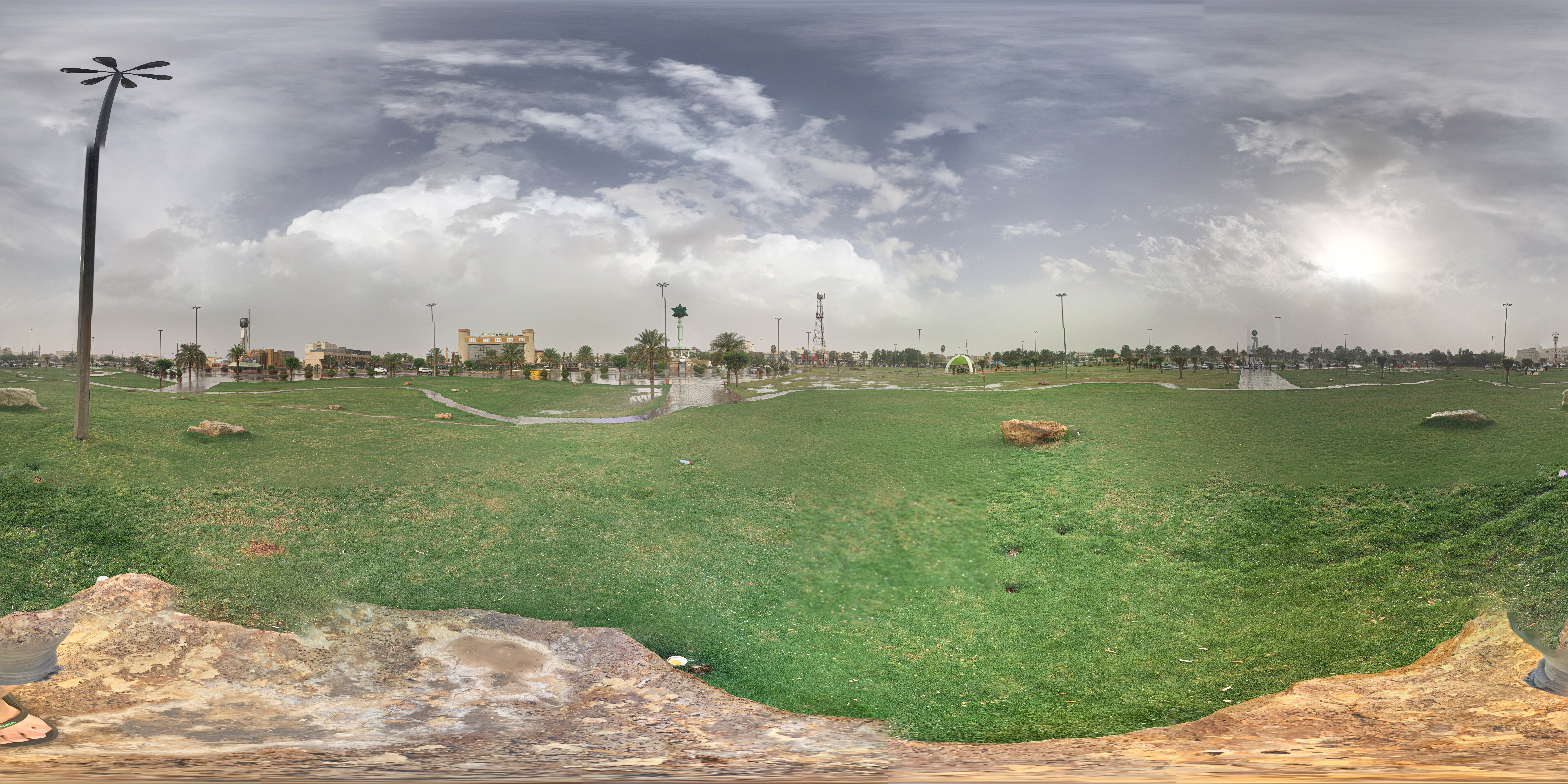
Qassim is associated with date farming, traditional markets, and agricultural life in central Saudi Arabia. Its visitor experience can focus on farms and food as well as historic settlements. Buraidah and Unaizah are useful reference points for planning a regional stay.
Date culture. Farm visits and the Buraidah Date Carnival introduce an important regional crop and its commercial traditions. The carnival is seasonal; verify dates before including it.
Heritage settlements. Al Mithnab is among the villages highlighted for traditional Najdi architecture. A guided walk can connect buildings with the social and agricultural history of the area.
Food and green spaces. Jareesh and kleija pastries are among the local foods highlighted by Visit Saudi. Parks and Palm Avenue in Unaizah provide gentler activities between cultural stops.
Planning note. Allow 1 to 2 days. Arrange farm access in advance and give guests time for markets; festival periods may require earlier accommodation bookings.
Plan a visit to Qassim →Jazan
Coastal journeys
Southern Red Sea and island nature
Jazan combines a southern Red Sea port setting with access to the Farasan Islands. Marine environments, regional heritage, and the wider landscape create options for both cultural and nature-focused journeys. The islands should be planned as a distinct excursion rather than assumed within a city visit.
Farasan Islands. The protected archipelago contains islands and coral islets with wildlife and marine interest. Confirm transport, local access, and suitable guiding before choosing a route.
Marine activities. Snorkelling and diving introduce the underwater environment. Book with an appropriate operator and match the activity to the guest’s ability and the actual sea conditions.
Regional heritage. Jazan Heritage Village presents local history and cultural traditions. City dining and shopping can provide a more relaxed segment before or after island travel.
Planning note. Allow 2 to 3 days including an island segment. Keep flexibility for marine transfers and confirm the current arrangements directly with the operator.
Plan a visit to Jazan →Yanbu
Coastal journeys
Red Sea diving and coastal history
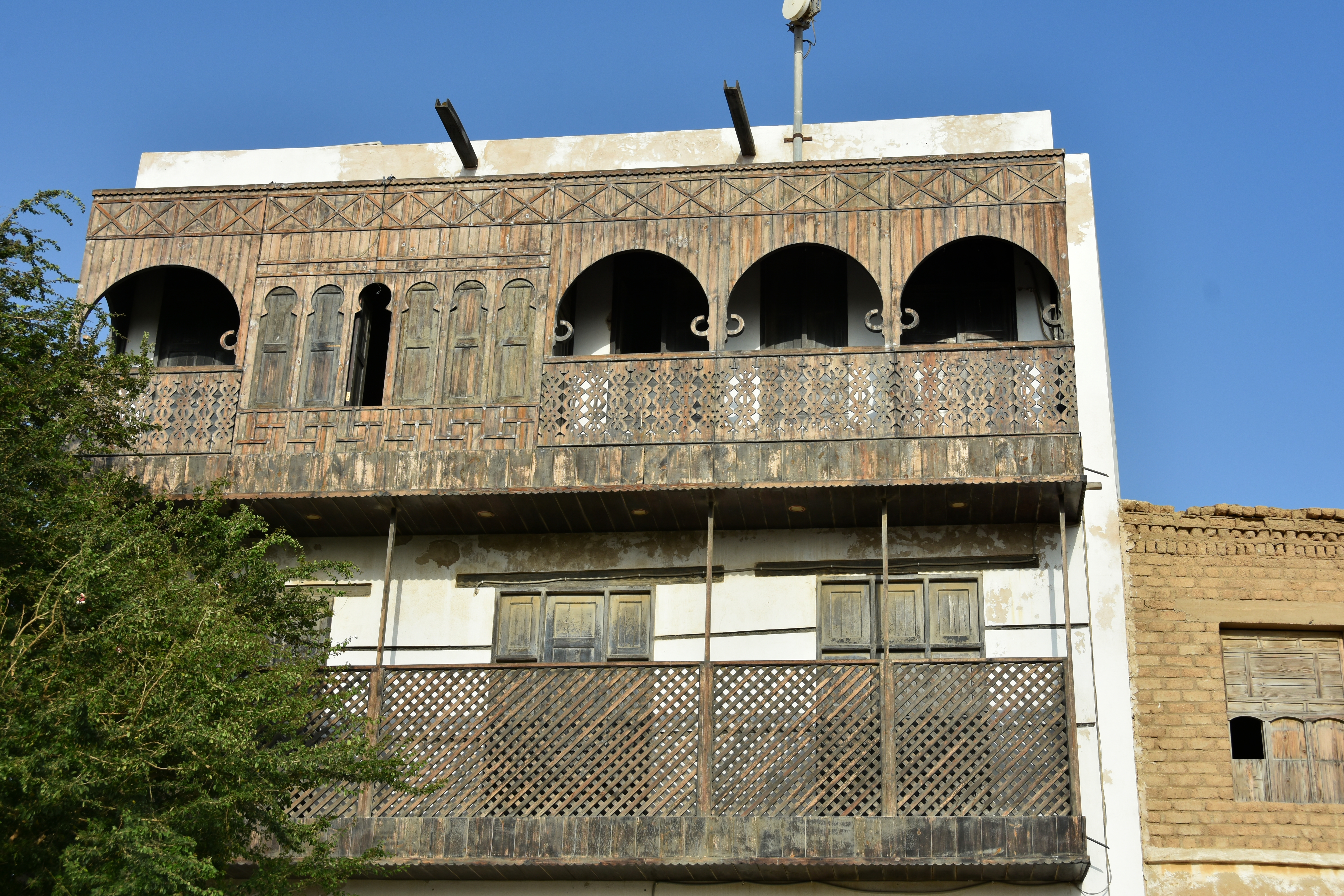
Yanbu is a Red Sea destination associated with underwater recreation and a coastal urban setting. The wider area includes historic settlements as well as beaches. It can suit visitors who want to pair marine activities with time ashore.
Reefs and diving. The Seven Sisters area is among the dive locations highlighted by Visit Saudi. Reef visits require operator planning, suitable conditions, and the qualifications appropriate to the chosen dive.
Beach time. Yanbu Beach and other coastal settings offer a different pace from a structured heritage tour. Confirm which facilities and activities are available at the selected location.
Yanbu Al Nakhal. The historic inland settlement area adds archaeological and regional context. Treat it as a separate outing with suitable transport rather than assuming it is within the waterfront walking area.
Planning note. Allow 2 to 3 days for a marine and heritage combination. Wildlife sightings are never guaranteed; build the itinerary around the experience and environment rather than a promised species.
Plan a visit to Yanbu →Al Jubail
Cities & short breaks
Gulf beaches and landscaped parks
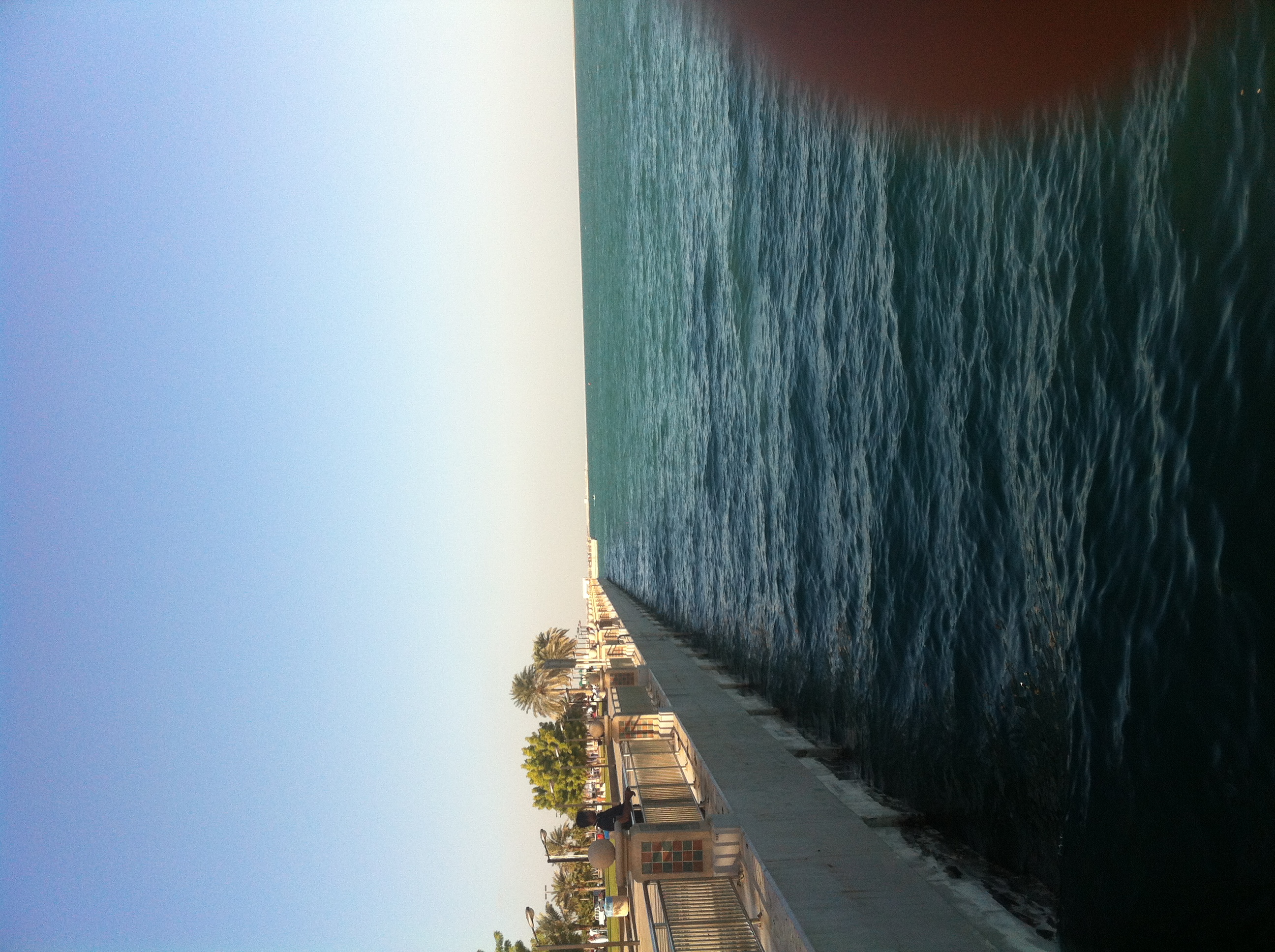
Al Jubail combines an industrial port identity with beaches, promenades, and green spaces. Its maritime past includes associations with pearling. The visitor programme is generally more suited to coastal relaxation and family recreation than a tightly packed museum itinerary.
Al Fanateer. Al Fanateer Beach and Corniche provide waterfront paths, restaurants, and cafés. Choose an appropriate time for a walk and check the facilities at the intended beach area.
Al Nakheel. Al Nakheel Corniche combines sea views with green spaces. It offers a slower segment for families and visitors who prefer short walks.
Andalus Park. Walking, cycling, children’s play areas, and food options are among the attractions described by Visit Saudi. Availability of individual services should be checked when planning the visit.
Planning note. Allow 1 to 2 days or include it as a coastal extension. A leisurely programme with time by the water is more practical than combining distant regional attractions in one day.
Plan a visit to Al Jubail →King Abdullah Economic City
Cities & short breaks
Planned coastal city and leisure activities
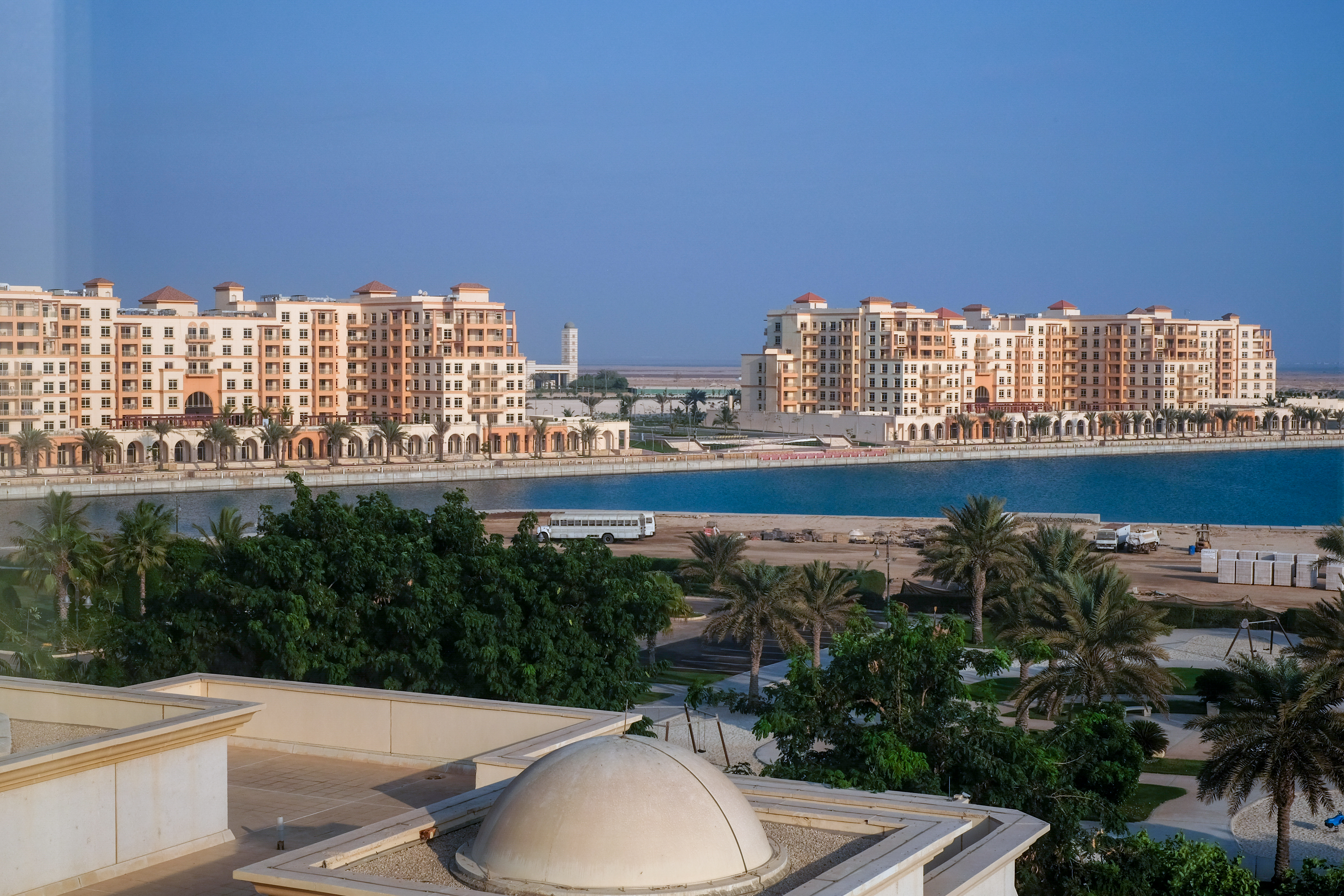
King Abdullah Economic City, commonly called KAEC, was launched as a business development but also offers Red Sea leisure experiences. Its beaches, green spaces, and sports facilities can support a short stay focused on recreation.
Coastal leisure. Beach areas and waterfront dining are central to the visitor offer. Check whether the selected venue requires advance booking, a day pass, or a hotel reservation.
Karting and entertainment. Juman Karting and cinema experiences are highlighted by Visit Saudi. Confirm age, height, session times, and current operation before selling an activity package.
Golf. Royal Greens Golf and Country Club provides a sporting focus and hosts tournaments. Tee times, lessons, spectator access, and event attendance are different arrangements.
Planning note. Allow 1 to 2 days. Choose activities according to the guest’s interests and confirm venue entry arrangements; the city’s business role does not imply unrestricted access to every facility.
Plan a visit to King Abdullah Economic City →Najran
Heritage & landscapes
Southern architecture and ancient inscriptions
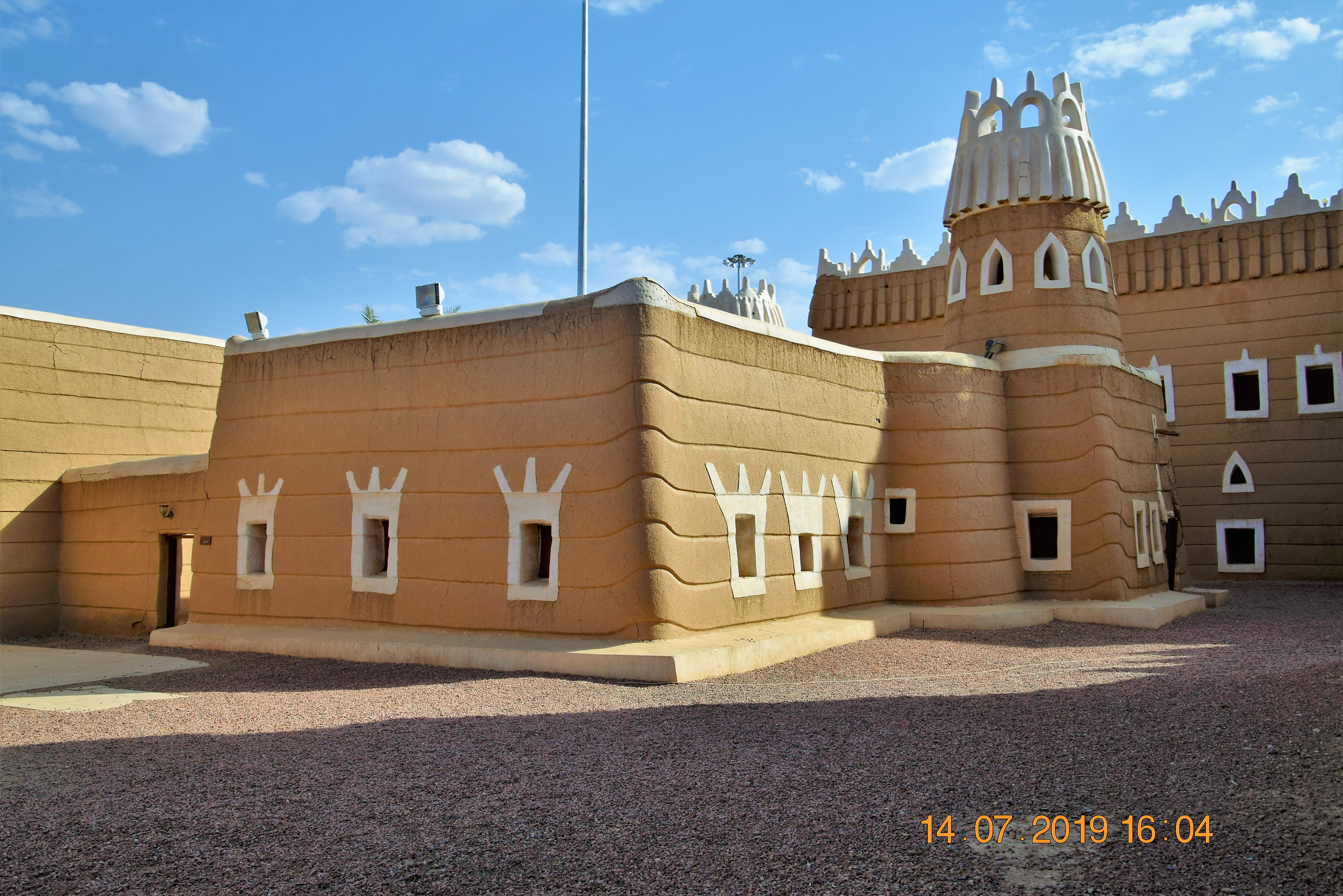
Najran lies among mountains, oasis landscapes, and desert in southern Saudi Arabia. Its history includes trade connections and distinctive building traditions. Archaeological sites and historic palaces make it especially relevant to visitors interested in the region’s long human history.
Palaces and architecture. Qasr Al Emara, Al Aan Palace, and the Palace of Ibn Madi are among the historic buildings highlighted by Visit Saudi. Confirm which interiors are accessible before fixing a route.
Hima Cultural Area. The UNESCO listed area preserves rock art and inscriptions connected with long histories of movement and settlement. A guided journey helps explain its landscape context.
Al Okhdood. Al Okhdood Archaeological Site and the regional museum provide further evidence of the area’s past. Check museum operation and available interpretation before offering a combined visit.
Planning note. Allow 2 days or longer for outlying archaeology. Use a local operator for route planning and verify current access and transport arrangements before confirmation.
Plan a visit to Najran →Madinah
Religious destinations
Islamic history and religious visitation
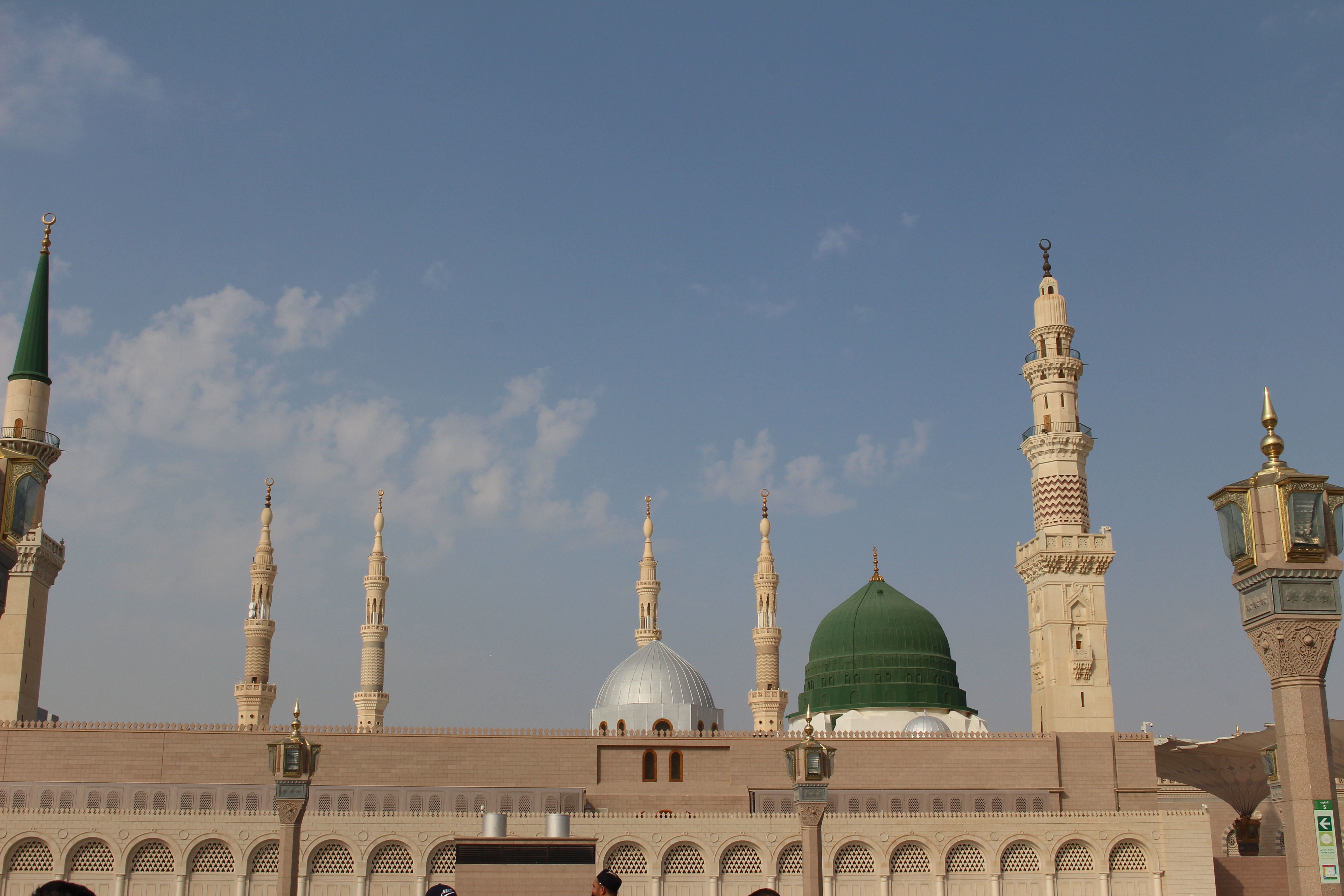
Madinah holds a central place in Islamic history as the city that welcomed the Prophet Muhammad after the Hijrah. Al Masjid an Nabawi is its principal religious landmark. The wider city includes historic neighbourhoods and cultural places connected with centuries of faith and community life.
Religious significance. For Muslim visitors, time for worship and reflection is central to the experience. A religious visit should be planned around the traveller’s needs rather than treated as a standard sightseeing stop.
Al Rawdah. Visit Saudi advises advance booking through Nusuk for Al Rawdah Al Sharifah. Availability and official instructions determine the actual visit; inclusion in an itinerary is not a guaranteed permit.
City exploration. Cultural visits need respectful routing and attention to restricted areas. Non-Muslims may visit the city but cannot enter the Prophet’s Mosque or its immediate surrounding area, according to current travel guidance.
Planning note. Allow 1 to 3 days according to the purpose of travel. Confirm access boundaries, reservations, and any religious arrangements before finalising the programme.
Access guidance: Current religious site restrictions
Plan a visit to Madinah →Makkah
Religious destinations
Pilgrimage and sacred geography
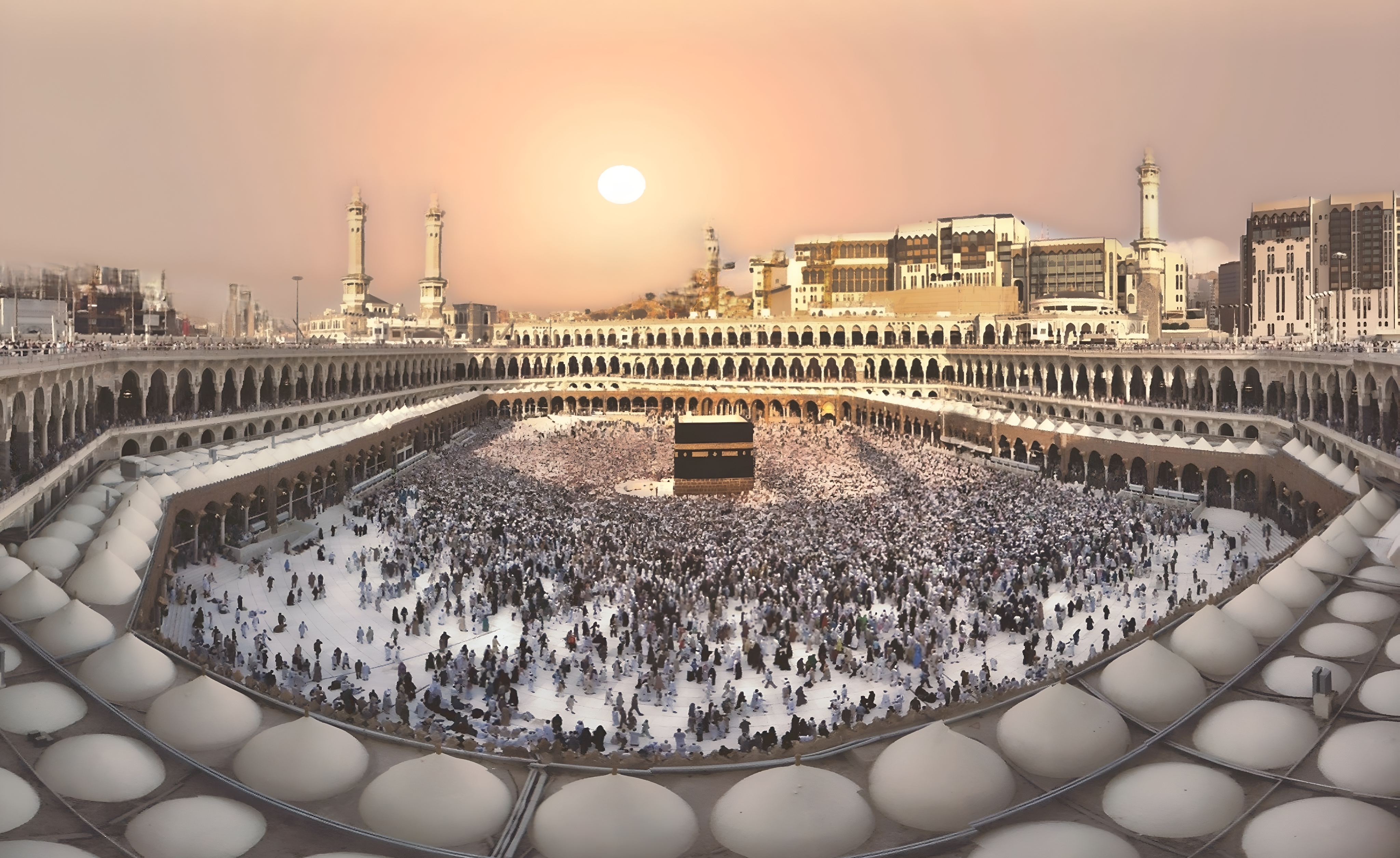
Makkah is Islam’s holiest city and the location of Al Masjid Al Haram and the Kaaba, toward which Muslims pray. Its meaning for visitors is primarily religious. Pilgrimage planning needs a different approach from a general leisure itinerary.
The sacred mosque. For eligible Muslim visitors, the mosque is the centre of worship and pilgrimage. Allow time for rituals, rest, and movement through the city rather than fixing an unrealistic sightseeing schedule.
Historic associations. The surrounding mountains and sites such as Hira are connected with Islamic history. Any visit requires suitable access planning and an understanding of the physical demands.
Eligibility and permits. Non-Muslims cannot enter Makkah. Hajj and Umrah arrangements must follow current official requirements; a general tourism booking should never be presented as proof of pilgrimage eligibility.
Planning note. Plan duration around the authorised pilgrimage programme and traveller needs. Use official platforms and appropriately licensed providers; reconfirm seasonal restrictions before travel.
Access guidance: Current religious site restrictions
Plan a visit to Makkah →Adapted from the Saudi destination guide supplied to Dilmun Journeys. Activities, access and bookings are checked for your travel dates. Religious destinations require appropriate visitor eligibility and arrangements.